
How to play responsible gambling in 2026
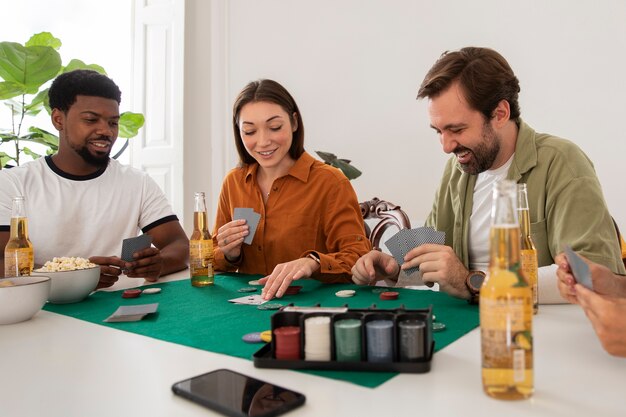
Set a strict budget for your gambling activities. Before you start playing, determine how much money you are willing to spend and stick to that amount. This not only helps you avoid overspending but also allows you to enjoy your gaming experience without financial stress.
Take regular breaks to maintain focus and control. Continuous gambling can lead to fatigue, making it difficult to make sound decisions. Set timers to remind yourself to step away, recharge, and reassess your situation. A refreshed mind is key to responsible play.
Know the games you choose to play and understand their rules thoroughly. Familiarize yourself with the odds and the payout structures. This knowledge provides clarity on potential outcomes and helps you make informed decisions, contributing to a more enjoyable experience.
Track your time and spending habits. Keep a personal journal or use a budgeting app to record your activities. This practice promotes awareness and helps you stay accountable for your choices. If you notice patterns that concern you, adjust your approach accordingly.
Seek support if you feel gambling is becoming problematic. Reach out to friends, family, or professional organizations that specialize in gambling addiction. Having a support system in place can make a significant difference in maintaining a balanced relationship with gaming.
Setting Personal Budget Limits Before Playing
Establish a clear budget before engaging in any gambling activity. Decide on a fixed amount you can comfortably afford to lose without impacting your daily finances. Set this budget well in advance, ensuring you stick to it throughout your gaming sessions.
Consider breaking your budget into smaller chunks for each session. This allows for better control and makes it easier to track your spending. For example, if your monthly budget is , allocate for each week, preventing overspending in any given session.
Incorporate tracking methods to monitor your gambling expenses. Use notepads, mobile apps, or spreadsheets to keep a daily record of your play and spending patterns. Regular reflection on these logs can provide insights into your habits and help maintain your budget limits.
Reassess your budget periodically. Life circumstances change, so adjust your limits accordingly. If you find yourself consistently exceeding your set amount, it might be time to reduce your budget or take a break from gambling.
Lastly, engage with support systems or chat with a trusted friend about your budget and gaming plans. Sharing your goals can strengthen your resolve and reinforce responsible gaming practices. Keeping your budget at the forefront will enhance your overall experience and promote healthy gambling habits.
Identifying Warning Signs of Problem Gambling
Monitor your gambling behavior closely. If you notice these red flags, take them seriously:
- Increased Frequency: Gambling more often than you originally intended or finding excuses to gamble.
- Chasing Losses: Continuing to gamble in hopes of recovering lost money.
- Isolation: Avoiding friends and family to spend time gambling or lying about activities.
- Financial Strain: Borrowing money, using credit cards excessively, or experiencing unpaid bills due to gambling.
- Emotional Changes: Feeling anxious, irritable, or depressed related to gambling wins or losses.
Recognize the difference between social gambling and problematic behavior. If your motivations shift from enjoyment to necessity, reassess your habits. Seeking support is key. Consider talking to a trusted friend or professional who can provide guidance.
Keep track of your gambling expenditures. Set strict limits on time and money, and stick to these boundaries. If you find yourself breaking them frequently, reconsider your approach.
Using tools like self-exclusion programs can also help. Many gambling platforms offer options to limit access. Don’t hesitate to use these resources if needed.
Always trust your instincts. If something feels off about your gambling habits, it's wise to reflect on your choices and seek help. Your well-being is the priority.
Utilizing Self-Exclusion Tools Available at Online Casinos
Activate self-exclusion options as a proactive measure. Most reputable online casinos provide this feature, allowing you to voluntarily restrict your access for a specified period.
Identify the specific duration that feels right for you. Options typically range from a few days to several months or even indefinitely. Choose based on your personal needs and comfort level.
After initiating self-exclusion, take a moment to confirm your decision. Some platforms may require additional verification to ensure this choice is intentional and reflects your current mindset.
Explore related tools for enhanced control. Many casinos offer deposit limits, session timers, and loss limits, which can serve as effective supplementary measures alongside self-exclusion.
Review your progress periodically. Use this time away from the casino to assess your gambling habits, reflecting on triggers and patterns that influence your play.
Once self-exclusion is active, resist the temptation to create new accounts at different casinos. Most platforms participate in self-exclusion programs, sharing information to prevent circumvention.
Communicate with support teams if you face challenges. Most operators have dedicated resources to assist with self-exclusion and provide additional guidance to ensure your experience remains positive and responsible.
Engage in activities outside of gambling during your exclusion period. Hobbies, social interactions, or other interests can help create a fulfilling routine that lessens the urge to gamble.
After the exclusion period, evaluate your experience before returning to gambling. Ask yourself if your motivations have changed and whether you feel ready to engage with casinos responsibly.
Stay informed about your rights. Knowing the support options available and the specific self-exclusion policies of different casinos can empower you in your gambling experiences.
Understanding the Odds and Game Mechanics to Make Informed Choices
Study the specific odds of the games you choose to play. Each game has its unique payout structure, which directly affects your potential returns. Check the return-to-player (RTP) percentage, which indicates how much money a game pays back over time. For instance, a slot machine with a 96% RTP means you can expect to get back for every wagered, over a long period.
Examine the house edge, which represents the average profit the casino expects to make from each game. Understanding this value can help you identify games where you have a better chance of winning. Generally, table games like blackjack and baccarat offer a lower house edge compared to many slot machines.
Know the specific game mechanics, including rules, strategies, and variations. For example, in poker, your decisions based on other players’ actions can tilt the game in your favor. Familiarize yourself with different betting options and strategies relevant to your chosen games to enhance your gameplay.
| Game Type | Typical RTP | House Edge |
|---|---|---|
| Slots | 85-98% | 2-15% |
| Blackjack | 99.5% | 0.5% |
| Baccarat | 98.94% | 1.06% |
| Roulette | 94.74% (European) | 2.63% |
Implement a consistent betting strategy. Avoid chasing losses, and instead, allocate a budget for each session. This helps maintain control over your finances and ensures you do not overspend based on emotions. Stick to your plan and assess your results regularly to refine your approach.
Stay updated with any changes in game rules or odds adjustments from the casino. Operators may modify game parameters or introduce new variants, which can impact your understanding and strategy. Keeping informed allows you to adapt effectively and make the most of your gaming experience.
Finding Support Resources and Communities for Gamblers
Join a local support group like Gamblers Anonymous. Participation in meetings fosters connection and understanding among individuals facing similar challenges. You will find a community that shares experiences and offers encouragement. Look for chapters in your area, and consider attending a few meetings to find a group that resonates with you.
Online forums such as GamblingRecovery.com provide a space to share stories and seek advice from others who have faced gambling issues. Engaging in these discussions can provide valuable insights and remind you that you are not alone in your experiences.
Utilize helplines such as the National Problem Gambling Helpline at 1-800-522-4700. This service connects you with trained professionals who can offer support, resources, and immediate assistance to help you manage gambling-related issues.
Explore community resources through local mental health organizations. Many offer programs specifically tailored to address gambling addiction, including counseling and treatment options. Check their websites or contact them directly to learn about available services.
Consider online platforms like BetterHelp, which connect individuals with licensed therapists specializing in addiction. Online therapy sessions can make it easier to access support at your convenience, fitting into your schedule.
Social media groups provide another outlet for connection. Look for closed groups dedicated to gambling recovery on platforms like Facebook. They allow you to engage anonymously, share stories, and receive encouragement without feeling exposed.
Educate yourself by accessing literature on responsible gambling. Many organizations publish self-help books and guides that can offer strategies for maintaining a healthy relationship with gambling. These resources can serve as great companions on your path to recovery.
Creating a Balanced Lifestyle with Gambling as a Hobby
Limit your gambling time to ensure it remains enjoyable and does not interfere with other aspects of your life. Set specific days or hours each week dedicated to gambling, treating it like any other leisure activity.
Integrate gambling with other hobbies. Balance your time between gambling and activities such as reading, exercising, or spending time with family. This varied engagement keeps your mind active and prevents overindulgence in one area.
Establish a gambling budget. Decide how much money you can afford to spend without impacting your essential expenses. Stick to this budget to prevent financial stress or guilt.
Use gambling as a social activity. Invite friends to join you, either online or at a venue. Sharing experiences enhances enjoyment and creates memorable moments beyond the gambling itself.
Prioritize mental health. Be aware of your feelings before, during, and after gambling sessions. If you feel anxious or stressed, take a break and engage in a calming activity, such as meditation or a walk.
Monitor your gambling habits. Keep a log of your wins, losses, and time spent gambling. This awareness can help you make informed decisions about your habits and identify if any adjustments are necessary.
Research games thoroughly. Understanding the mechanics and odds of different games can enhance your experience and help you make strategic choices, adding an educational layer to your hobby.
Know when to stop. Recognize the signs of when gambling is no longer fun. If you find yourself feeling pressured or upset, take a break. Your well-being should always come first.
- Limit gambling sessions to keep it fun.
- Diversify your leisure activities to maintain balance.
- Set a budget to manage finances responsibly.
- Engage in gambling with friends for added enjoyment.
- Prioritize mental health and take breaks as needed.
- Keep a log to track habits and adjust as necessary.
- Research games to enhance your understanding.
- Know when to step away for your well-being.
By maintaining these practices, you can enjoy gambling as a fulfilling hobby while ensuring that it complements a healthy, balanced lifestyle.